By Amanda Zhou
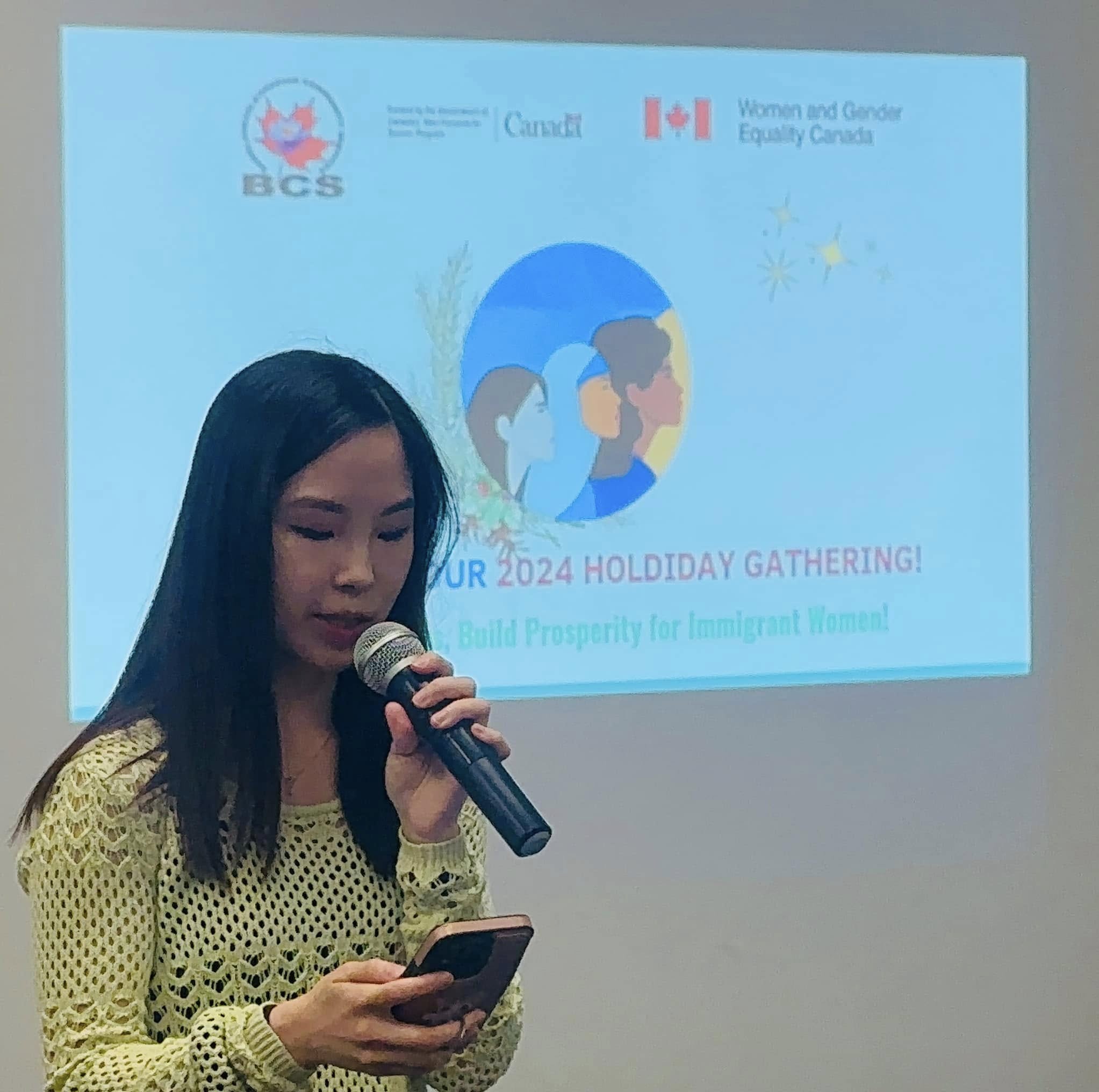
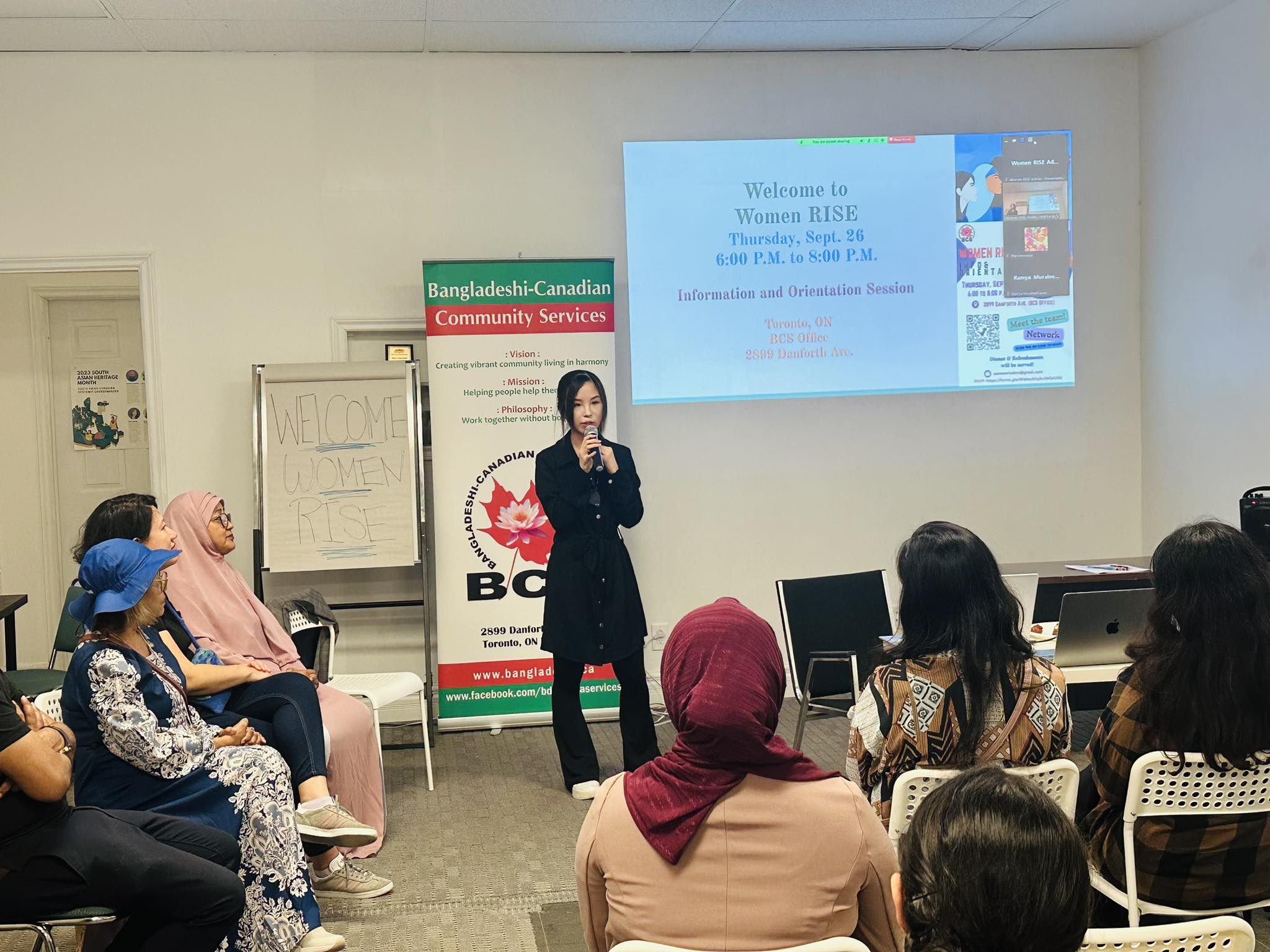
Looking back, my journey feels like a well-orchestrated symphony – vibrant, multifaceted, sometimes discordant, yet always progressing toward something profound and meaningful.
My name is Amanda Zhou. I am a 25-year-old mental health clinician who is deeply passionate about blending creativity into therapeutic practices. With an Honours Bachelor of Social Work from Western University and a Master’s in Social Work from Toronto Metropolitan University, my academic journey has been a cornerstone of my identity. However, my real story lies in how I have transformed my love for art and music into a path towards healing. My personal journey, research, and career have led me to become an advocate for using arts-based approaches to support the mental health of Chinese immigrant women and diaspora communities.
Growing up Chinese Canadian
I was born in 大连 (Dàlián), China – a major port city in the Liáoníng Province of Northeastern China. In my earlier years, I lived with my mom, my dad, and my grandparents in our cozy eighth-floor apartment along the coastline. At the age of 2, I flew to Canada for the first time, and ever since, I frequently travelled between China and Canada, so much so that the airport became my second home. At the age of 7, I officially obtained my Canadian citizenship. However, the price of immigrating meant leaving my extended family and cultural roots behind.
Although my parents always provided the best they could for our family with the tools they had, as first-generation Canadian immigrants, they faced many hurdles upon resettlement, including language and cultural barriers, credentialism, systemic racism, lack of social networks and connections, and financial challenges. As a result, we frequently relocated and never stayed in the same neighbourhood for more than 2 years.
As a child, I was torn between the need to preserve my Chinese cultural identity and the need to adapt to the new Canadian culture. The dual burden of assimilating while being expected to uphold traditional values was confusing and frustrating, leading to feelings of inadequacy and isolation, and consequently issues around my identity and self-worth. Every so often, waves of sorrow would wash over me as I grappled with the reality that the connections I held with my grandparents and family back home would remain fragmented as they lived half a world away.
Back then, I believed that the more I assimilated into Canadian culture, the stronger sense of belonging I would feel. However, growing up as a Chinese immigrant, I never felt as though I truly belonged. I was constantly ridiculed for my physical appearance and questioned about why my eyes were small and slanted. I was mocked for my thick Chinese accent, teased for bringing traditional home-cooked lunches to school, and frowned upon by teachers when I struggled to form phrases in English. Each time my Chinese name was mispronounced, I was ostracized to the point where I begged my parents to legally change my name from 周梦源 (Zhōu Mèng Yuán) to Amanda. I even severed my ties with my own culture by dying my hair a lighter colour and refusing to celebrate Lunar New Year with my family because I felt ashamed of who I was and where I came from. The instability from our frequent relocations further complicated my sense of self, making me feel as though I was merely existing without an identity.
At school, I also navigated the invisible weight of being boxed into the ‘model minority’ stereotype that portrayed Chinese students as self-sufficient, highly educated, well-assimilated, and well-adjusted into the Western multicultural society without facing systemic obstacles. I was simply expected to excel no matter the circumstances. However, repeatedly transferring schools in the middle of the semester made it incredibly challenging to keep up with my classmates. With each move, I fell further behind in my studies. The ‘model minority’ label acted as a double-edged sword that set impossible standards – academically and socio-culturally – and created invisible burdens, especially when I was unable to live up to these unrealistic expectations.
My race, ethnicity, gender, and immigrant status have also profoundly influenced my adult life and professional career. The pressure stemming from the ‘model minority’ stereotype to appear resilient and successful made it difficult to share my personal struggles, especially when facing issues such as systemic discrimination, workplace biases, microaggressions, and mental health challenges. Any challenges I faced were dismissed, minimized, or inadequately supported, particularly when it came to culturally relevant needs and issues around intergenerational conflict and cultural identity. Relocating every 1-2 years also made it extremely difficult to settle down and form lasting connections and networks. Additionally, in professional spaces, I often found myself underestimated—perceived as too young and too inexperienced, despite my qualifications and drive. The COVID-19 pandemic magnified these struggles, as I, along with countless others in East Asian communities, faced heightened racial hostility and xenophobia.
Nonetheless, these experiences – challenging as they were – fueled my resolve to dismantle the systemic barriers that perpetuate such inequities. After a decade of severing my Chinese identity and heritage in a bid for belonging in Canadian society, I now strive to reconnect with my roots and build meaningful connections within my community.
Through my Master’s research, I uncovered the powerful ways music could bridge this gap. Since I was 9 years old, I have been writing songs and creating music to navigate the challenges of relocation, cultural dissonance, isolation, and alienation. Music allowed me to express my emotions tied to the struggles I faced at school, at home, in friendships and relationships, and with my mental health. Music became my voice when I felt I had none. It became a language of healing – a way to explore emotions that words could not touch and to reclaim a cultural identity I had once buried. My research highlighted how music can be used as a tool to support Chinese immigrant in navigating the challenges of dual identities, systemic racism, and cultural disconnection. This passion now drives my professional work, where I collaborate with Indigenous communities across Canada, using music and arts-based approaches to promote mental health, and foster hope and healing.
Joining Women RISE at BCS
Joining the Women RISE program at Bangladeshi-Canadian Community Services (BCS) felt like a natural extension of this mission. This role has given me a platform to grow as a leader, collaborate with women from diverse backgrounds, and develop tools to empower others who have faced similar challenges. During my time in the Women Rise Program, I aspire to refine my public speaking skills, storytelling abilities, and outreach efforts. My goal is to empower other immigrant women like myself and inspire hope in their journeys. I seek to acquire skills through attending workshops and training that I can then share with others. Additionally, I want to build my own confidence to become a symbol of hope for fellow immigrant women and to be someone they can trust and look up to.
Looking ahead, I dream of creating safe, culturally resonant spaces where Chinese immigrant women can heal, grow, and celebrate their identities. Through art, music, and poetry, I hope to challenge the stigma around mental health in Chinese communities and advocate for resources that truly meet our needs. Mentorship, too, is close to my heart—I want to be a guide, helping others navigate the complexities of resettlement, cultural identity, and systemic oppression.
This work is not just about breaking barriers for myself; it is about building bridges for others. Whether it’s through a song that carries a story, a workshop that sparks connection, or an intimate conversation that validates someone’s experience, I am determined to leave behind a legacy of compassion, creativity, and advocacy.
Women RISE has reminded me that our stories hold power—not just in how they’re told but in the ways they inspire change. And as I continue to grow and take on new challenges, I hold fast to the conviction that we can create a world where every voice is heard, every culture celebrated, and every barrier dismantled.
Because when we rise, we rise together.
THE END
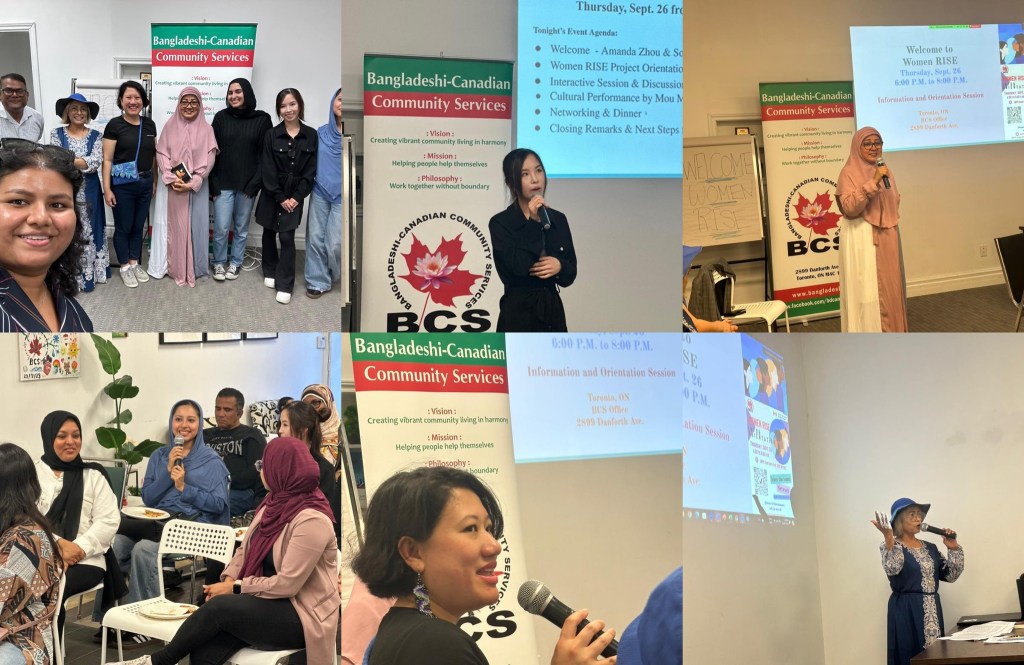
 Women RISE Toronto Campaign
Leave a comment