By Ramya Muraleetharan
November 2024
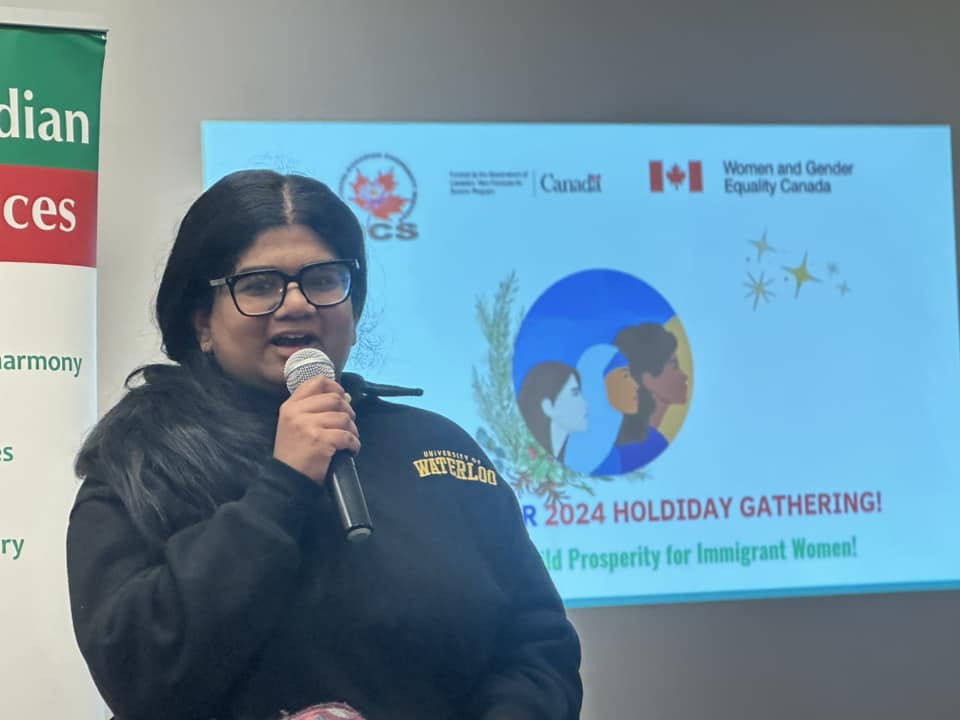
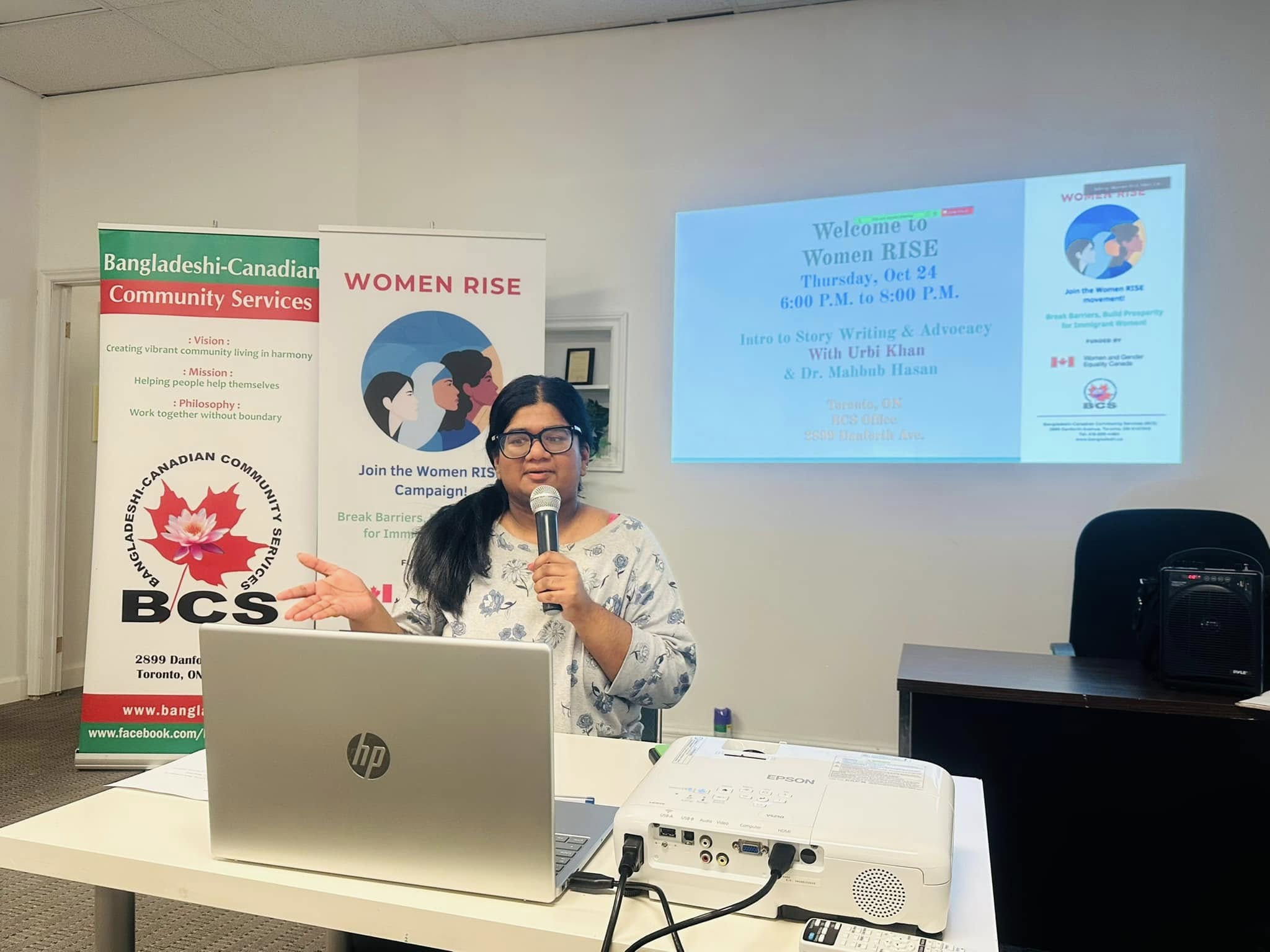
When I introduce myself as Ramya Muraleetharan, age 23, a Tamil-Canadian raised in Scarborough, Ontario, I carry the stories of my upbringing, my family’s immigrant journey, and my own lived experiences into every space I occupy.
My professional journey began with a Bachelor of Environmental Studies from the University of Waterloo in City and Urban Planning. Participating in their co-op program opened doors to community development, environmental justice, and advocacy, all while navigating spaces where my presence as a racialized woman often felt like an act of defiance.
I’ve always been passionate about community building—finding ways to empower people and create spaces of belonging. While studying, I worked as a Residence Life Don and Equity Connection Lead, focusing on students who often didn’t see themselves reflected in their surroundings.
Through roles in equity, diversity, and inclusion (EDI), mental health first aid, and crisis intervention, I developed the tools I use daily in my current work as an Employment Specialist in the Durham Region. Here, I support clients from diverse backgrounds as they navigate employment barriers with courage and resilience.
Joining Women RISE at Bangladeshi-Canadian Community Services (BCS) wasn’t just a career step; it was personal. Women RISE aligns with my belief that real change happens when women support each other through adversity, uplifting one another to thrive in environments that weren’t built with us in mind. This project isn’t just about preparing women for the workforce—it’s about systemic change, mentorship, and rewriting the narrative for racialized women like myself.
Dreams Fueled by Adversity
The dream of working in social planning evolved into a calling for social work. Growing up as a neurodivergent South Asian female, I faced anxiety, bullying, and the constant need to prove myself in spaces that didn’t always understand me. But these challenges also strengthened my empathy and resolve. Watching my mother battle illness cemented my desire to advocate for better mental health services, especially for women and marginalized communities.
My career goal is to lead within the social work and healthcare sectors, focusing on mental health systems that address the unique needs of racialized and neurodivergent individuals. I want to help others find their voices, just as mentors and programs like Women RISE helped me find mine. Achieving this goal isn’t just for me—it’s for my family, my community, and all the people I’ve yet to meet who are waiting for someone to believe in them.
Overcoming Barriers, One Step at a Time
Being a South Asian woman in Canada has meant navigating overt discrimination and subtle bias, whether it was in school hallways or workplace meetings. It’s meant living between two worlds—my parents’ immigrant struggles and my own battles to build professional networks and overcome systemic barriers.
As a neurodivergent person, I’ve faced added challenges in spaces where mental health still carries stigma. As a neurodivergent person, I’ve faced added challenges in spaces where mental health still carries stigma. For instance, in a previous office job, I found that my preference for routine and structured tasks was sometimes perceived as inflexibility. During team projects that required rapid shifts in priorities and spontaneous brainstorming sessions, some colleagues found it difficult to understand my need for clear, step-by-step plans. This led to misunderstandings and the perception that I was difficult to work with, rather than recognizing that my approach was simply different and could bring valuable organization and focus to our projects. But every time I’ve been underestimated, I’ve worked harder, driven by a belief in my own potential and the knowledge that others are watching and learning from my example.
Women RISE has been instrumental in helping me address these barriers. Through mentorship, leadership opportunities, and a network of like-minded individuals, I’ve gained the tools and confidence to take action—both personally and collectively. Together, we’re not just addressing barriers; we’re dismantling them.
Creating Change, Together
Addressing systemic barriers requires a multi-pronged approach. On my own, I’ve sought out mentorship opportunities, built networks, and taken on leadership roles. Within Women RISE, I aim to collaborate with other leaders to develop strategies that support racialized immigrant women in navigating professional spaces.
But the work doesn’t stop at individual change. I’m committed to advocating for inclusive hiring practices, equitable HR policies, and broader awareness about the unique challenges faced by women of color. Through storytelling, workshops, and grassroots organizing, I aim to create ripple effects that lead to systemic change.
Mentorship has been a cornerstone of my journey. The guidance I received from mentors shaped my path, and I’m passionate about paying it forward by mentoring other women, sharing my experiences, and creating spaces where their voices are heard and valued.
Looking Forward with Hope
Resilience is the thread that runs through my story. It’s what brought me here, what keeps me going, and what connects me to the women I serve. I am sure Women RISE will give me the tools, confidence, and platform to turn my experiences into action. Together, we are proving that adversity can be a powerful catalyst for change.
As I continue on this path, I am filled with hope—not just for my own future, but for the countless women whose strength and resilience inspire me daily. Together, we’re building a world where equity isn’t just a goal—it’s a reality.
THE END
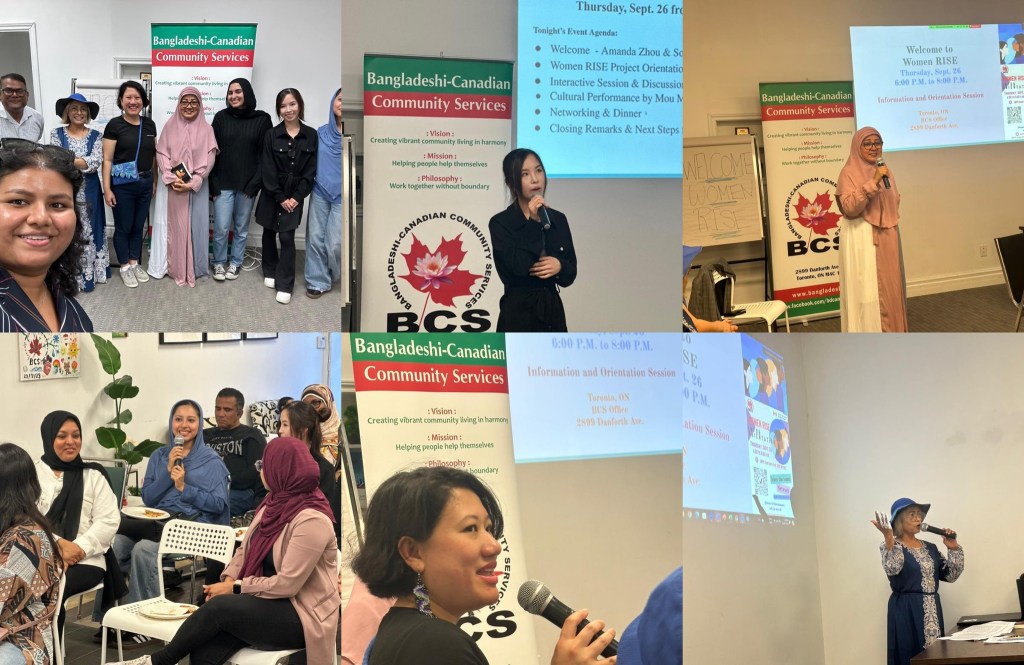
 Women RISE Toronto Campaign
Leave a comment